Step 1: Learn your space
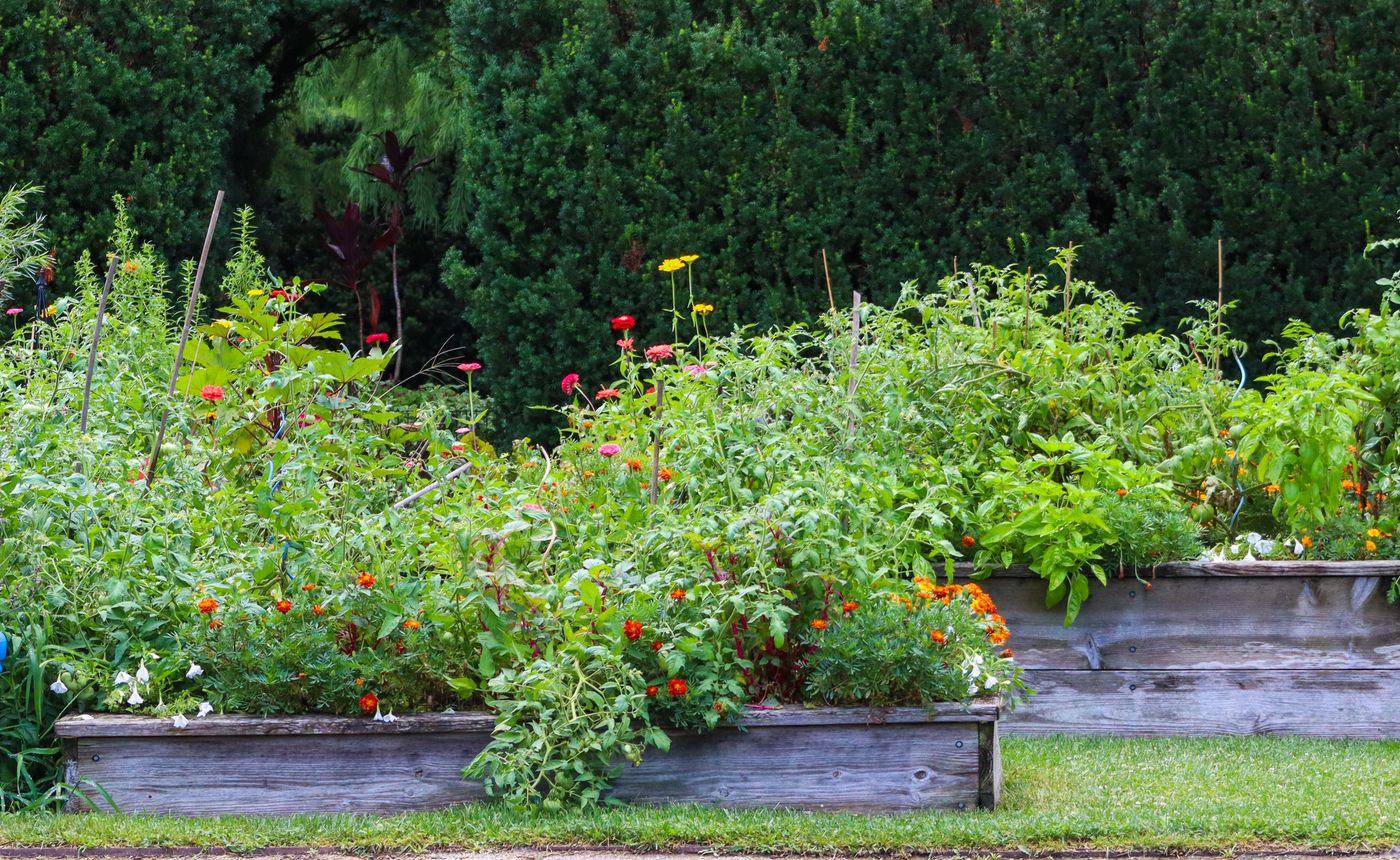
Watch where the sun falls, how water drains after rain, where wind is strongest, and how easy the area is to reach with a hose or watering can. These observations help you avoid forcing plants into the wrong place.
Step 2: Start smaller than you think
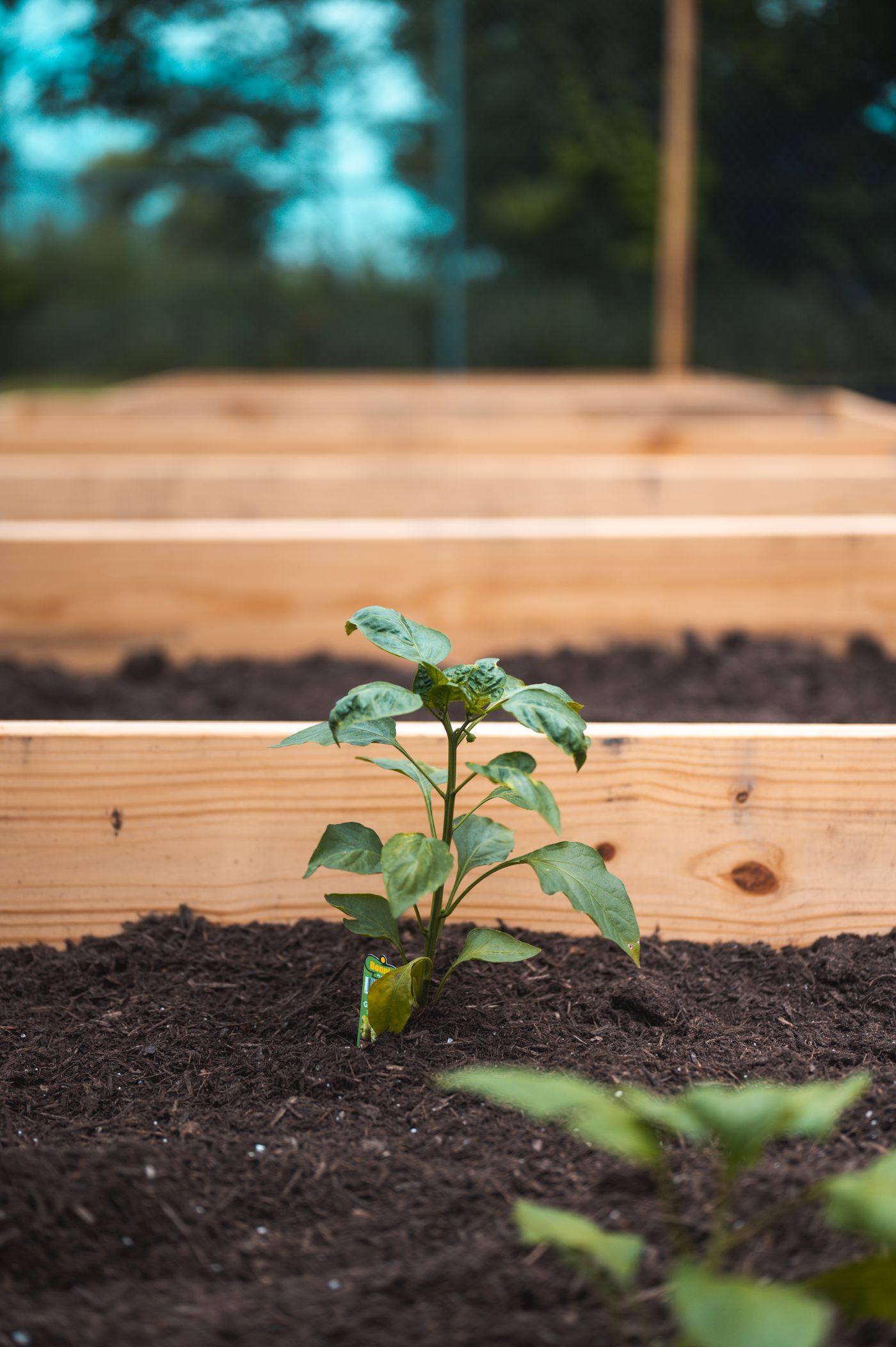
A few containers, one raised bed, or a modest border can teach you more than a large garden that becomes difficult to maintain. You can expand after you understand your local conditions.
Step 3: Choose forgiving plants
Select plants that match your climate and available sun. Local nurseries and regional horticulture resources can help with seasonal timing and varieties that perform well nearby.
Step 4: Set a simple care routine
Check moisture before watering, inspect leaves while you are nearby, remove obvious weeds, and make short notes. Consistency is more useful than complicated routines.
Step 5: Use our guide library
Optional resources
Ted's Woodworking
A large collection of woodworking plans that may appeal to gardeners planning benches, planters, potting stations, trellises, storage, or other garden projects.
May suit: Gardeners who enjoy practical DIY projects and want plans to review before starting.
Consider: Check the official page, materials list, skill requirements, and project dimensions before deciding.
Review the official pageThe Backyard Miracle Farm
A backyard food-growing resource for readers interested in making productive use of limited outdoor space.
May suit: People exploring practical ways to grow more food at home.
Consider: Results depend on climate, space, soil, time, budget, and local conditions.
Review the official pageMedicinal Garden Kit
A garden-focused offer centered on growing useful herbs and plants at home.
May suit: Readers interested in home herb gardening and learning about traditionally used plants.
Consider: Gardening information is not medical advice. Do not use plants as substitutes for professional healthcare.
Review the official pageWood Profits
A woodworking-business resource that may interest readers who enjoy making garden-related wooden items and want to explore the business side.
May suit: Hobby woodworkers considering whether their skills could support a small side business.
Consider: No income is guaranteed. Review costs, demand, pricing, safety, and local business requirements.
Review the official pageGardening products to compare on Amazon
These are specific gardening products readers commonly compare for this type of task. Availability, sellers, specifications and prices can change, so review the current Amazon listing before buying. As an Amazon Associate I earn from qualifying purchases.
Dramm One-Touch Rain Wand
Gentler hand watering for beds, containers, seedlings, and hanging plants.
Before buying: Check wand length, connector size, shut-off style, and current seller specifications.
View on AmazonAlaska Fish Fertilizer 5-1-1 Concentrate
A fertilizer option gardeners may compare for suitable plants and soil programs.
Before buying: Follow label directions and confirm suitability for your plants before use.
View on AmazonFiskars DualAction Pruner
Pruning stems and routine garden maintenance.
Before buying: Compare cutting capacity, hand size, replacement parts, and current listing details.
View on AmazonGarden Fabric Row Cover
Physical crop protection and season extension in suitable garden setups.
Before buying: Compare fabric weight, dimensions, light transmission, and intended use.
View on AmazonFrequently asked questions
What is the simplest way to start with starting a garden?
Start by checking your actual growing conditions and choose one small, manageable improvement. Avoid buying a full system before you know what problem you need to solve.
Do I need special equipment for starting a garden?
Not always. Many gardeners can begin with basic tools and add equipment only when it clearly improves safety, consistency, or convenience.
How quickly should I expect results from starting a garden?
It depends on the plant, season, climate, and the type of change you make. Judge progress over a realistic growing period rather than expecting an immediate transformation.
What should I do if starting a garden is not working well?
Recheck light, water, drainage, soil, spacing, and plant suitability. Change one factor at a time so you can see what actually helps.