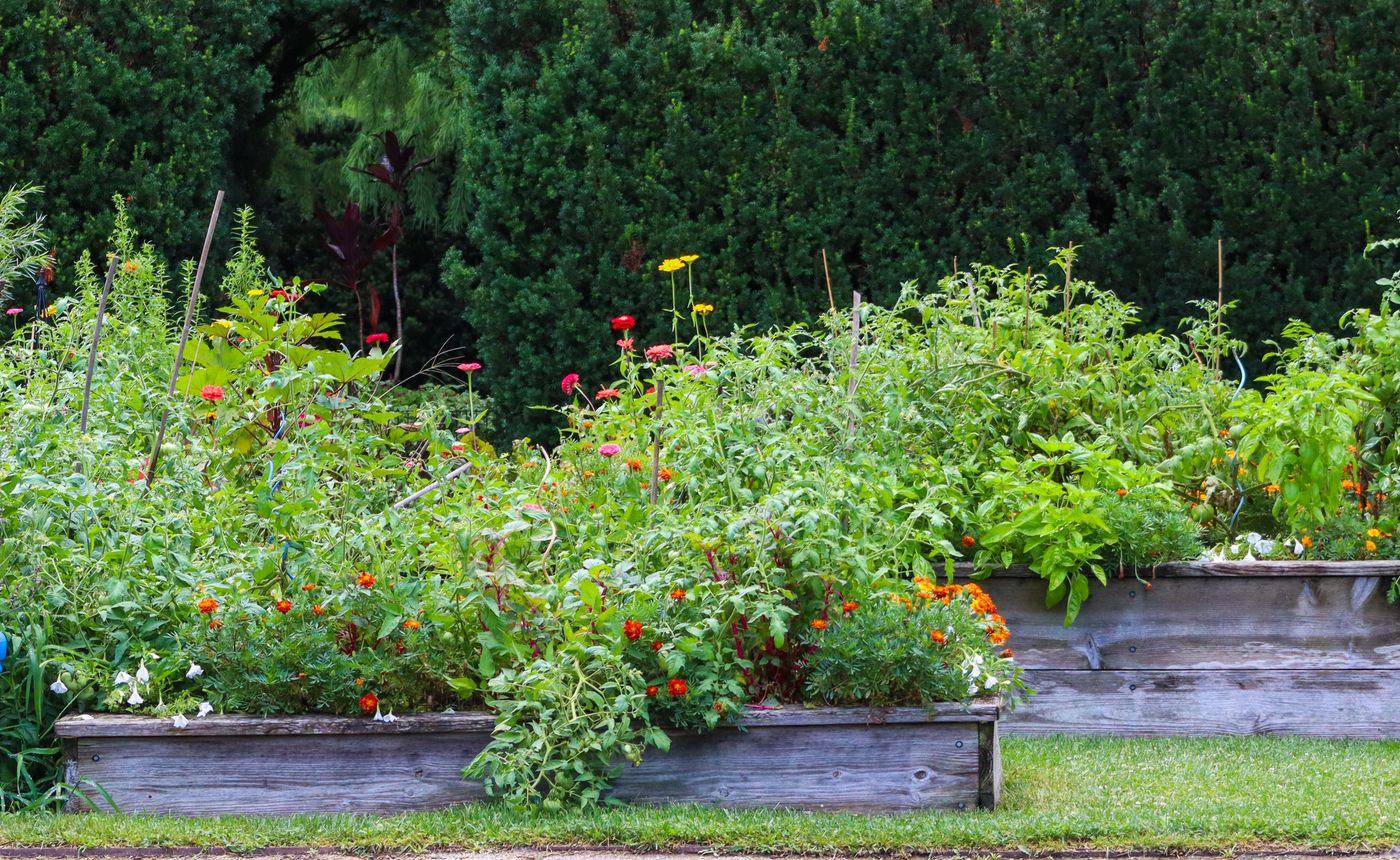
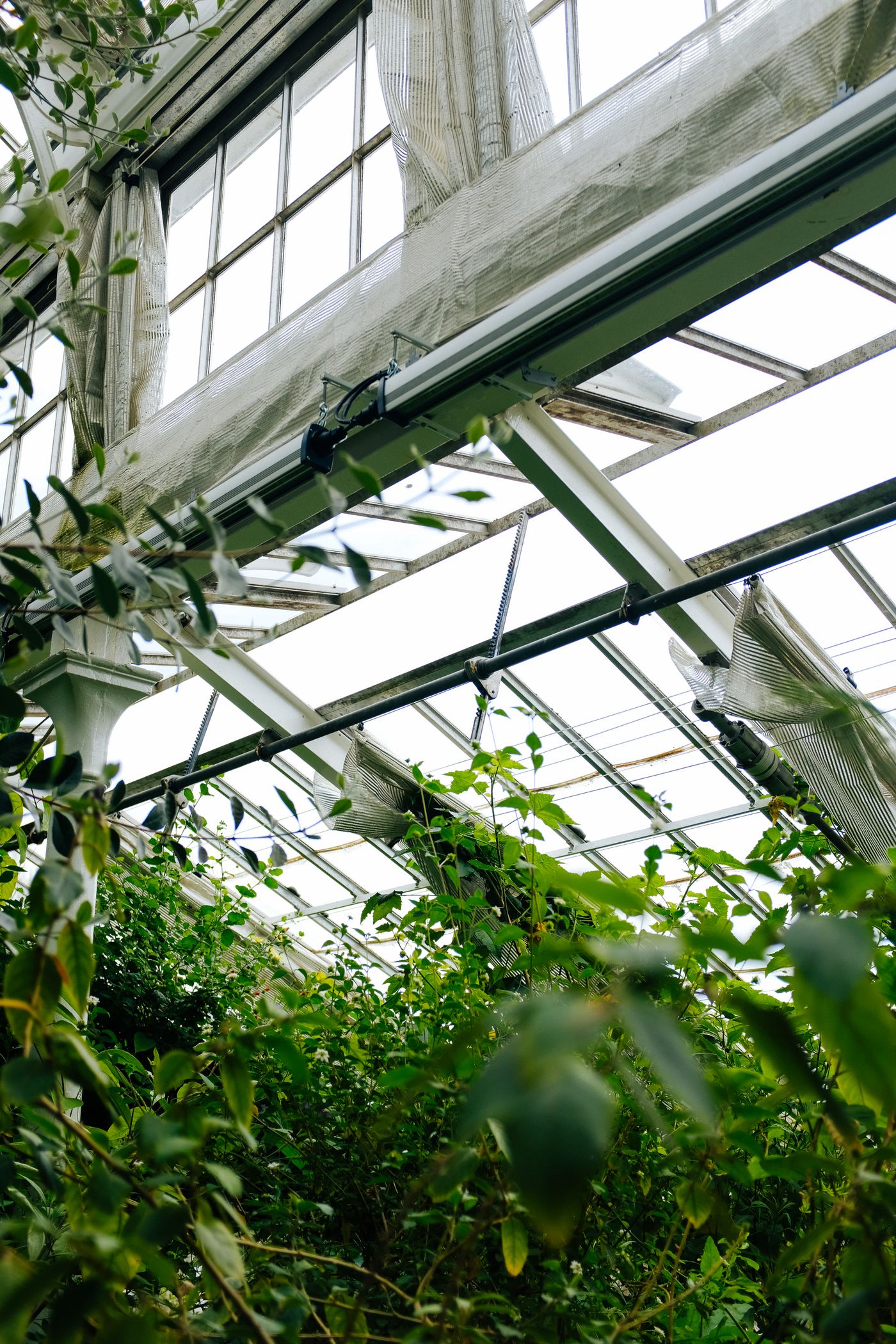
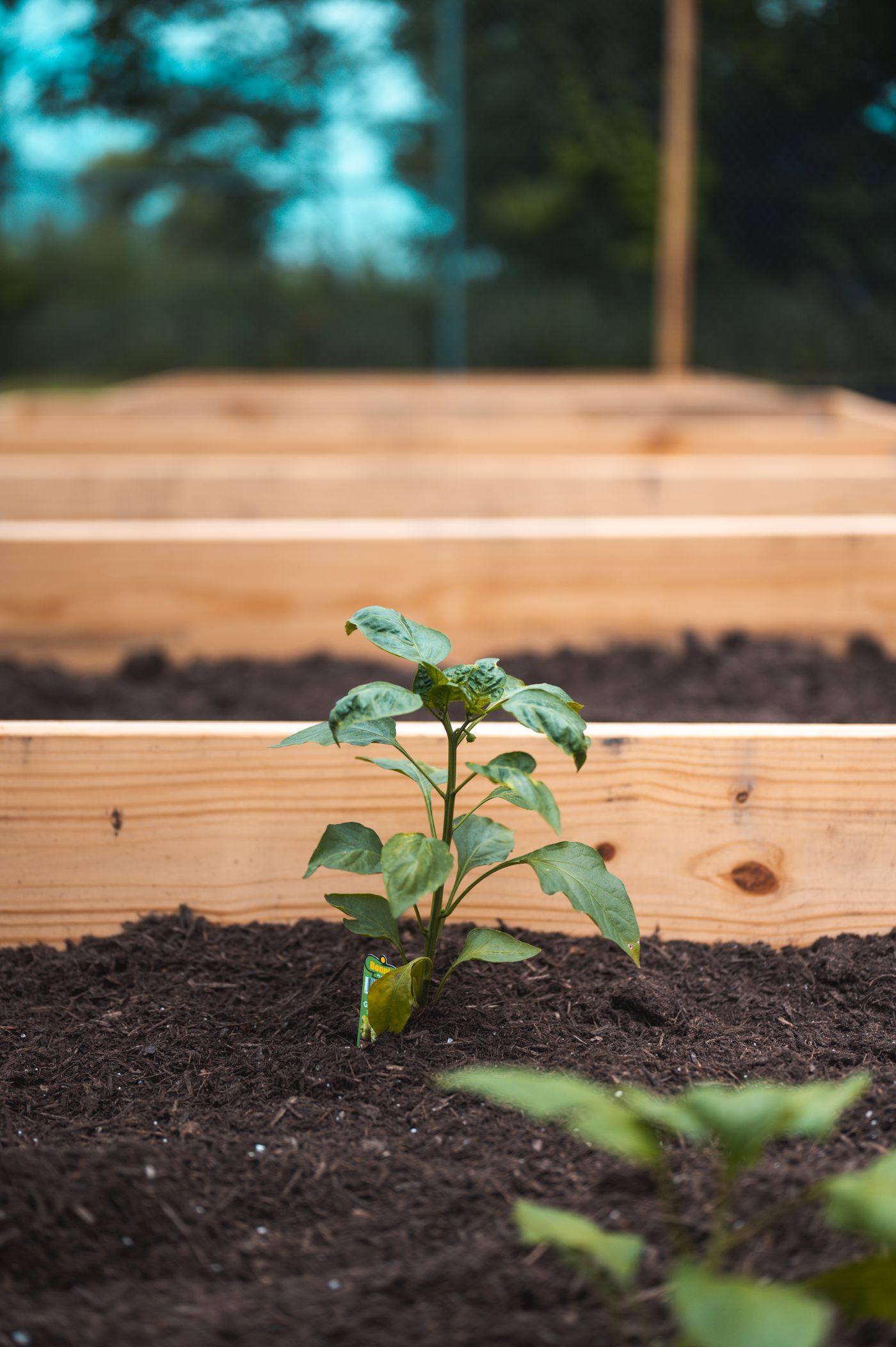
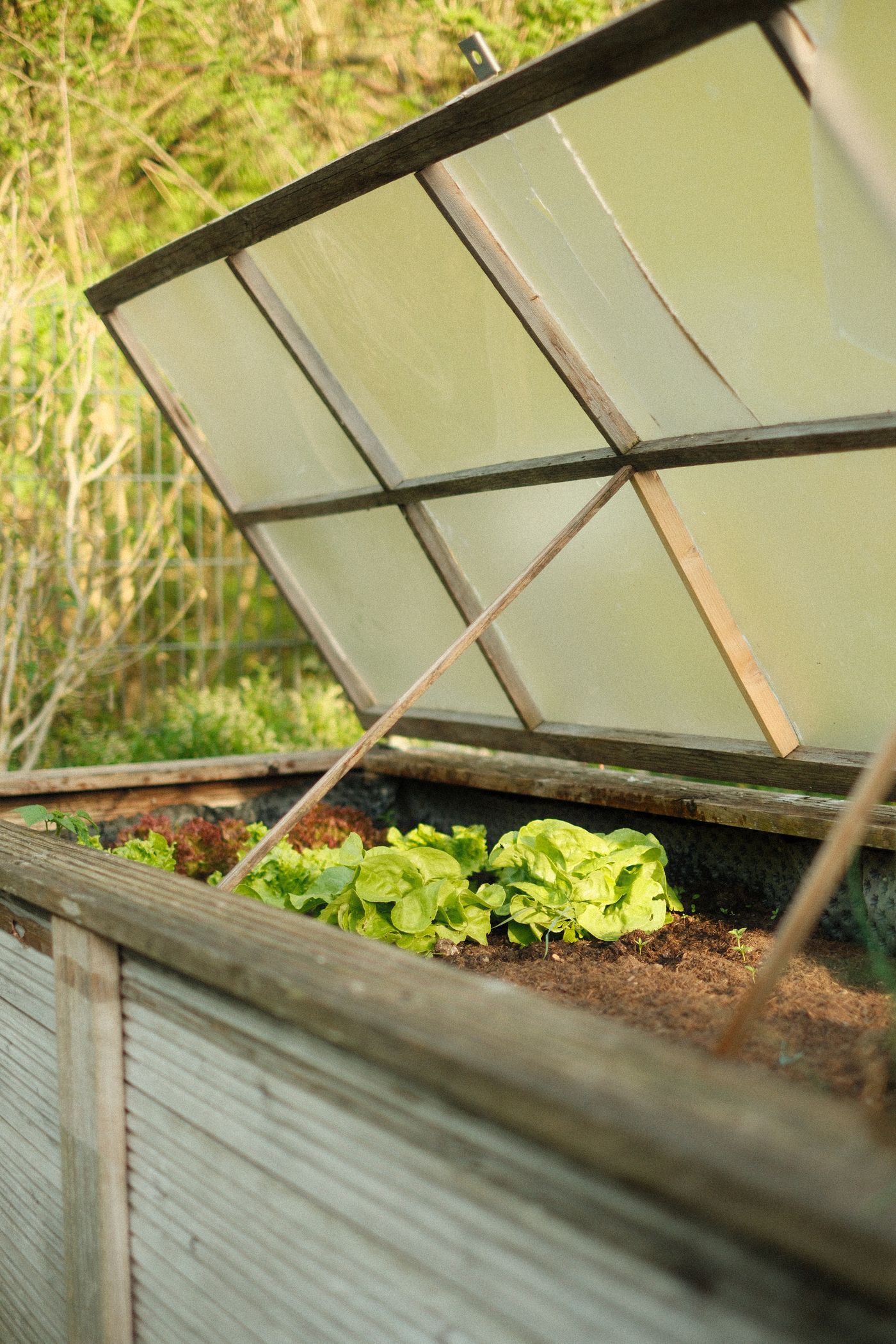
Start with the conditions you actually have
Before changing anything, look at sunlight, drainage, wind, temperature, available space, and how often you can realistically maintain the area. For how to learn your garden, these basic conditions usually matter more than buying extra products. Observe the space at different times of day and note what changes after rain or hot weather.
Choose the simplest workable approach
There is rarely only one correct way to handle how to learn your garden. A smaller, easier method that you can maintain consistently is often more useful than a complicated system. Begin with the option that feels realistic for your life, then adjust after you see how plants respond.
Watch the plants, not just the calendar
Schedules are useful, but plants give direct feedback. Changes in leaf color, growth rate, flowering, soil moisture, and pest activity can tell you when something needs attention. Avoid reacting to one small symptom without checking the wider picture.
Make improvements gradually
Change one variable at a time when possible. This makes it easier to understand what helped and what did not. Keep short notes on dates, weather, watering, feeding, pruning, or planting so that next season becomes easier.
A simple next-step plan
- Observe your site and write down the main limitation.
- Choose one small change that directly addresses that limitation.
- Give the change enough time to show a result.
- Record what happened so your next decision is easier.
Helpful resources to review
These resources cover different kinds of gardening projects. They are not required for success, and they will not suit every reader. Compare the official information, your own needs, and your available time before deciding.
Aquaponics 4 You
A guide-based offer for people exploring small-scale aquaponics and the relationship between fish, water, and plant production.
May suit: Gardeners curious about water-efficient growing systems and hands-on food production.
Consider: Aquaponics requires careful water-quality management, equipment, electricity, and ongoing animal care.
Review the official pageThe Backyard Miracle Farm
A backyard food-growing resource for readers interested in making productive use of limited outdoor space.
May suit: People exploring practical ways to grow more food at home.
Consider: Results depend on climate, space, soil, time, budget, and local conditions.
Review the official pageMedicinal Garden Kit
A garden-focused offer centered on growing useful herbs and plants at home.
May suit: Readers interested in home herb gardening and learning about traditionally used plants.
Consider: Gardening information is not medical advice. Do not use plants as substitutes for professional healthcare.
Review the official pagePhysical tools and supplies
If you need practical equipment, you can also browse relevant Amazon search results for gardening supplies. As an Amazon Associate I earn from qualifying purchases.
Browse related suppliesGardening products to compare on Amazon
These are specific gardening products readers commonly compare for this type of task. Availability, sellers, specifications and prices can change, so review the current Amazon listing before buying. As an Amazon Associate I earn from qualifying purchases.
Fiskars Hori Hori Planting Knife with Sheath
Planting, dividing, digging, and general hand work in beds.
Before buying: Review blade dimensions, sheath design, local availability, and safe-use instructions.
View on AmazonSloggers Garden Clog
Washable garden footwear for routine outdoor garden work.
Before buying: Review sizing, tread, comfort, and current model details.
View on AmazonDramm One-Touch Rain Wand
Gentler hand watering for beds, containers, seedlings, and hanging plants.
Before buying: Check wand length, connector size, shut-off style, and current seller specifications.
View on AmazonGarden Fabric Row Cover
Physical crop protection and season extension in suitable garden setups.
Before buying: Compare fabric weight, dimensions, light transmission, and intended use.
View on AmazonFrequently asked questions
What is the simplest way to start with how to learn your garden?
Start by checking your actual growing conditions and choose one small, manageable improvement. Avoid buying a full system before you know what problem you need to solve.
Do I need special equipment for how to learn your garden?
Not always. Many gardeners can begin with basic tools and add equipment only when it clearly improves safety, consistency, or convenience.
How quickly should I expect results from how to learn your garden?
It depends on the plant, season, climate, and the type of change you make. Judge progress over a realistic growing period rather than expecting an immediate transformation.
What should I do if how to learn your garden is not working well?
Recheck light, water, drainage, soil, spacing, and plant suitability. Change one factor at a time so you can see what actually helps.